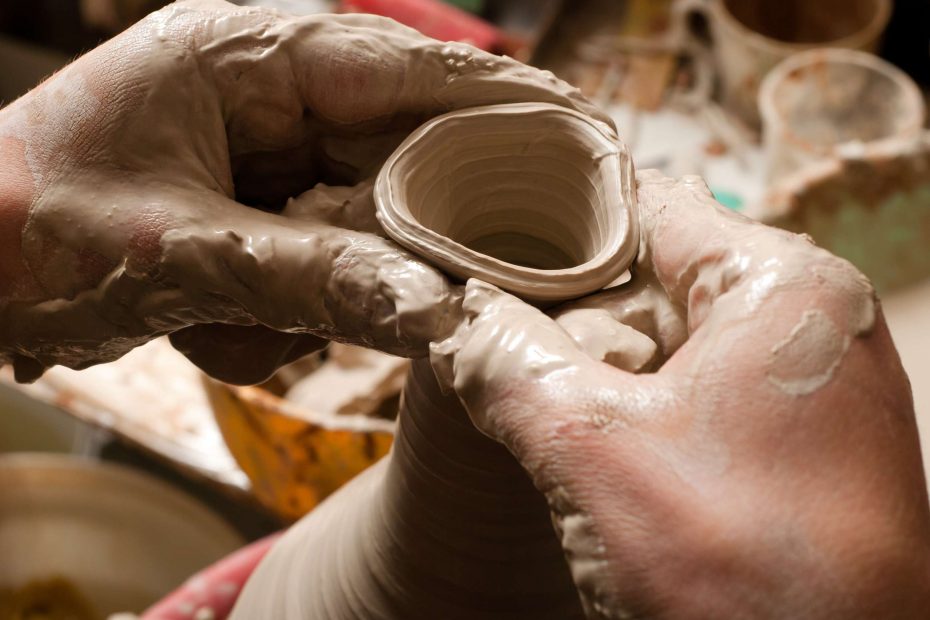
Patience as a Skill: What Clay Reveals About Learning
There is no instant gratification in working with clay. It will sag, or crack, or crumble if you try to hurry it up. In this… Patience as a Skill: What Clay Reveals About Learning
There is no instant gratification in working with clay. It will sag, or crack, or crumble if you try to hurry it up. In this… Patience as a Skill: What Clay Reveals About Learning
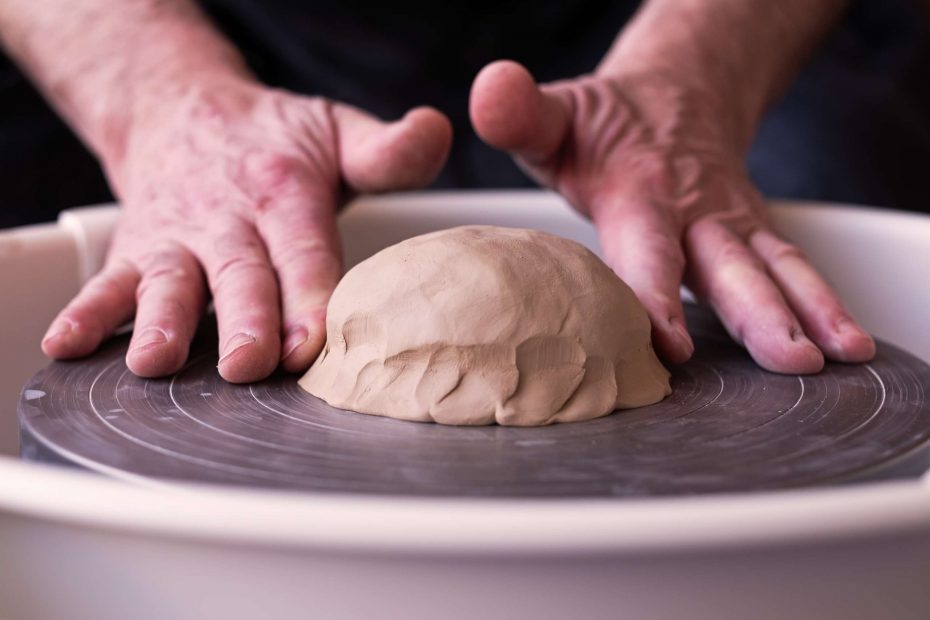
For many, this means bowls, cylinders, cups, or other small forms. These simple forms are important because they help establish basic principles like balance, proportion,… The road to making personal or expressive pieces often begins with simple forms.
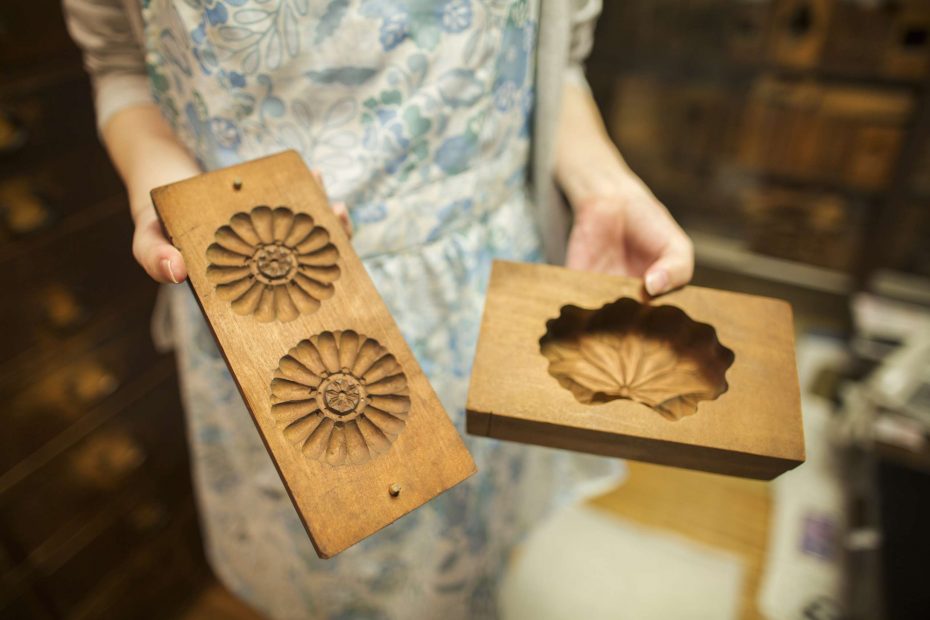
Clay is an active material; it responds with every motion, every hesitation, every correction. Before using tools and techniques, the student must learn to listen… Exploring the material: How clay teaches with touch
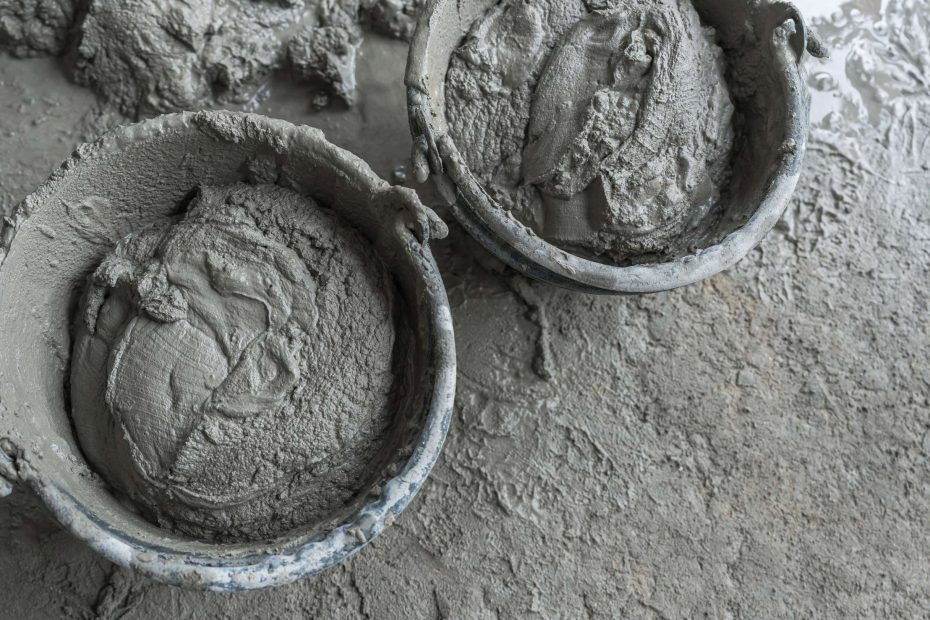
It’s the kind of medium that can’t be hurried without disastrous results. So for a beginner, that’s a good thing. It forces you to slow… Slow practice with clay allows for observation. You have to start slow with clay.